press
Oxywash: a revolutionary new clean technology for superyachts
Compliance with IMO tier III and EPA IV regulations in terms of nitrogen oxide (NOx) emissions is a major challenge for the yachtbuilding industry. The key issue is that diesel propulsion engines cannot be modified to deliver the necessary reduction in emissions. Until now, yacht builders and prospective owners had only one option: bulky and impractical selective catalytic reduction (SCR) systems for exhaust gas treatment. Now, the revolutionary new Oxywash technology developed by Feadship provides a better and more efficient solution.
To understand the benefits of Oxywash it is good to first reflect on the main drawback of selective catalytic reduction (SCR) for treating exhaust gases. SCR requires carrying a considerable volume of diesel exhaust fluid (DEF, often called by the trade name Urea/AdBlue). On a 60-metre yacht, the DEF tank can easily have a volume of ten cubic metres – weighing a tonne when empty and twelve tonnes when full. To compare, a sports car has about the same volume, weighs around two tonnes… And is much more fun to play with.
A better way
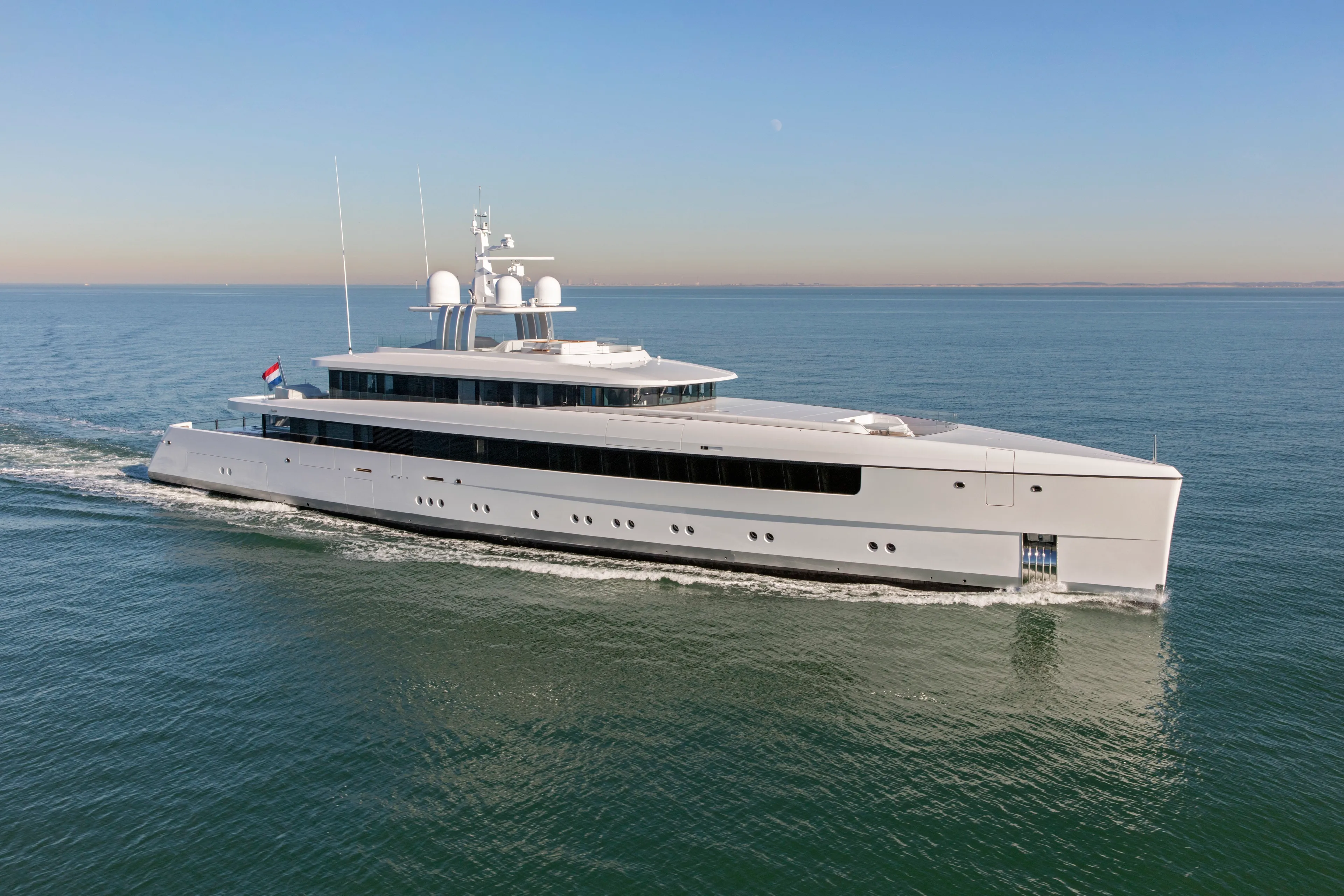
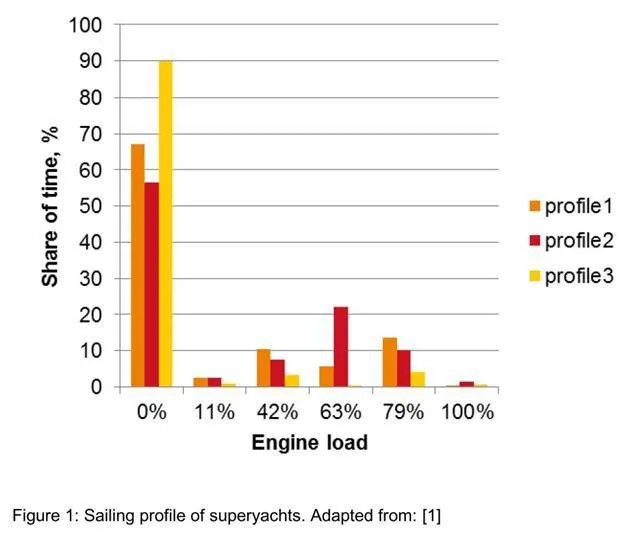
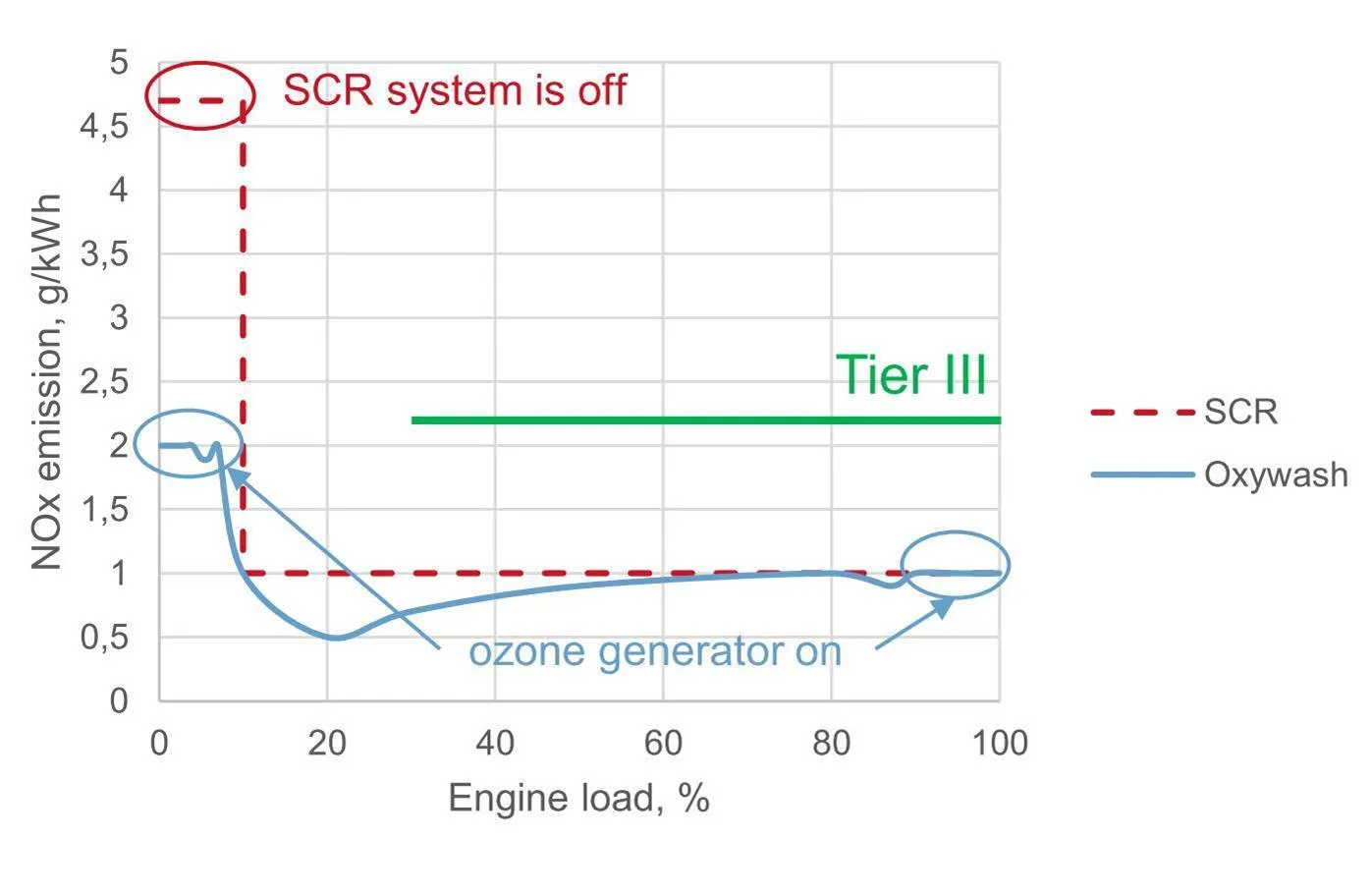
The engineers and designers at Feadship had long since recognised that fitting such a bulky system on a Feadship was taking up a great deal of premium floating real estate. This is especially so when you consider that SCR systems are off line – with NOx being emitted directly into the atmosphere – up to 90% of the time. SCR technology only works when the exhaust temperature around the catalyst is at a certain level. Unfortunately, this only happens when sailing at high speed – something that superyachts don’t do very often (see image 001).
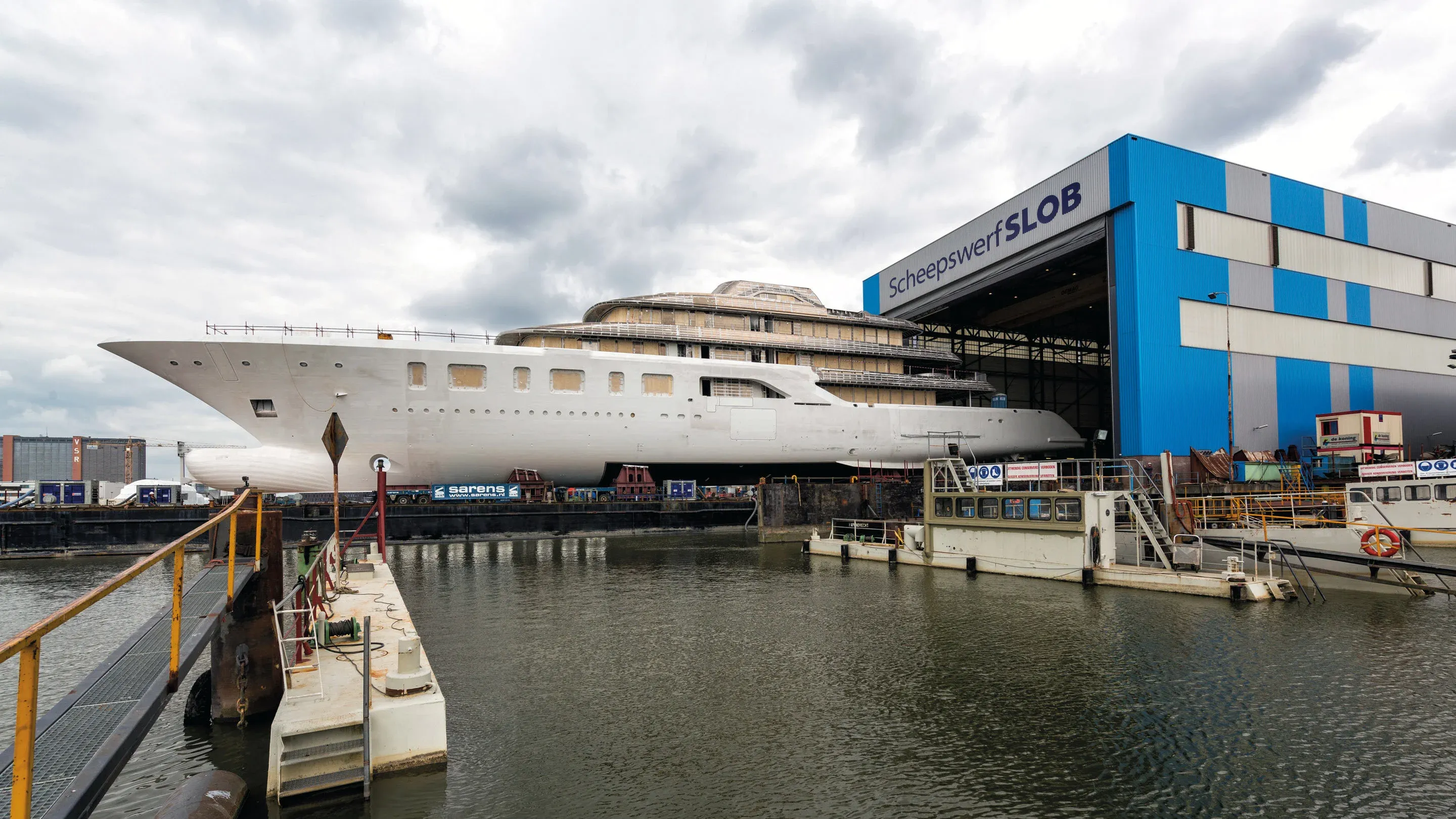
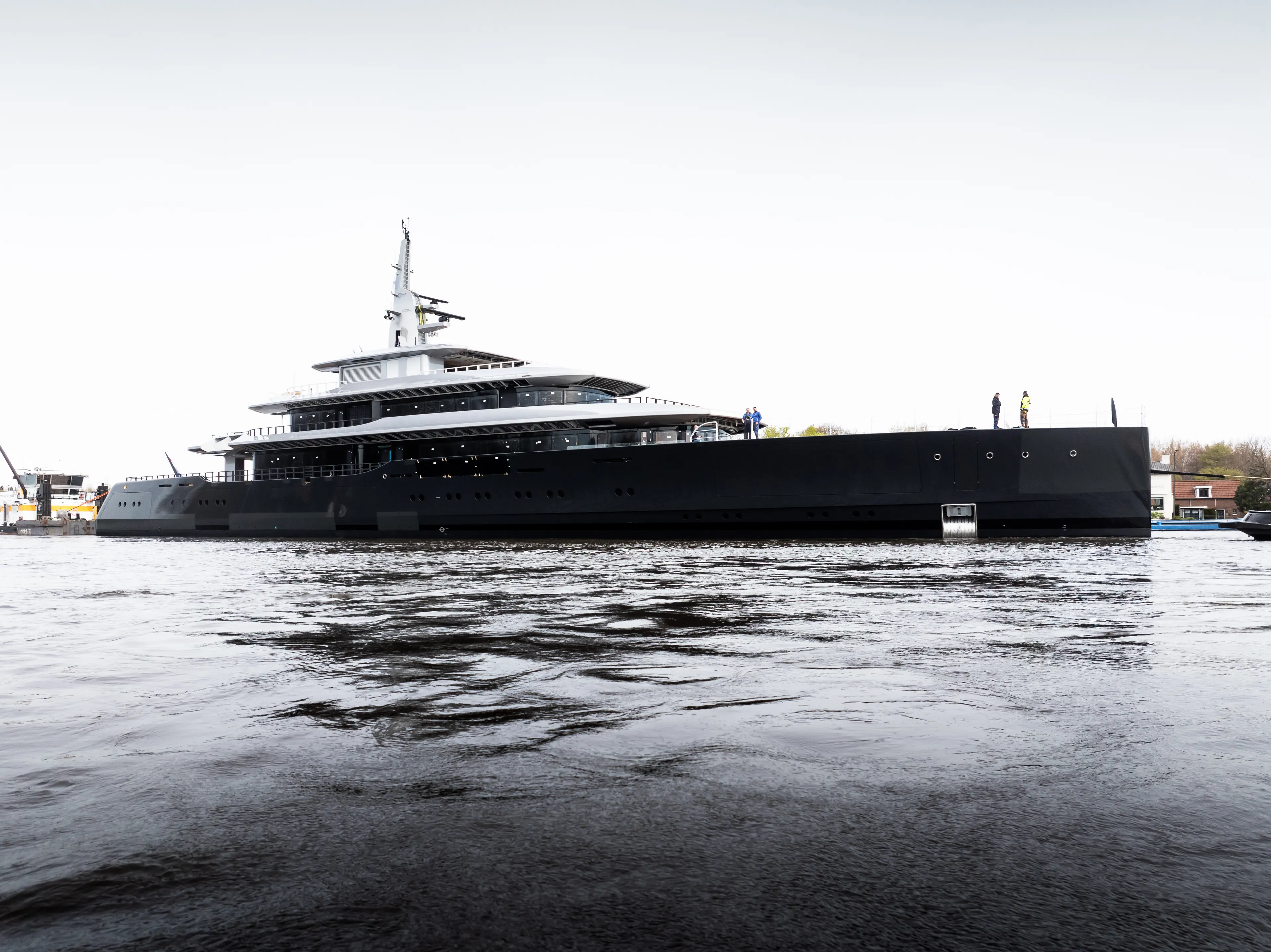
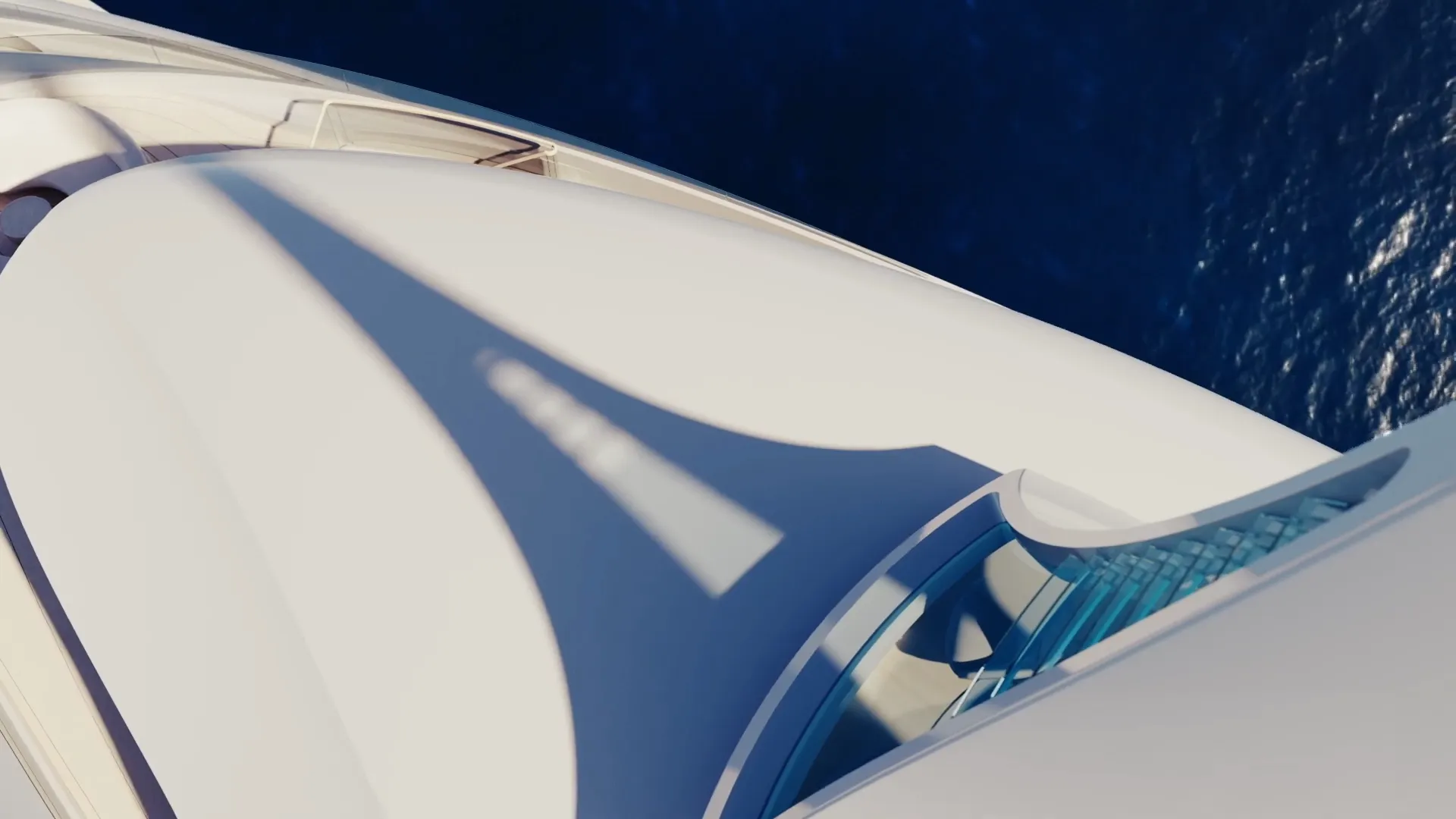
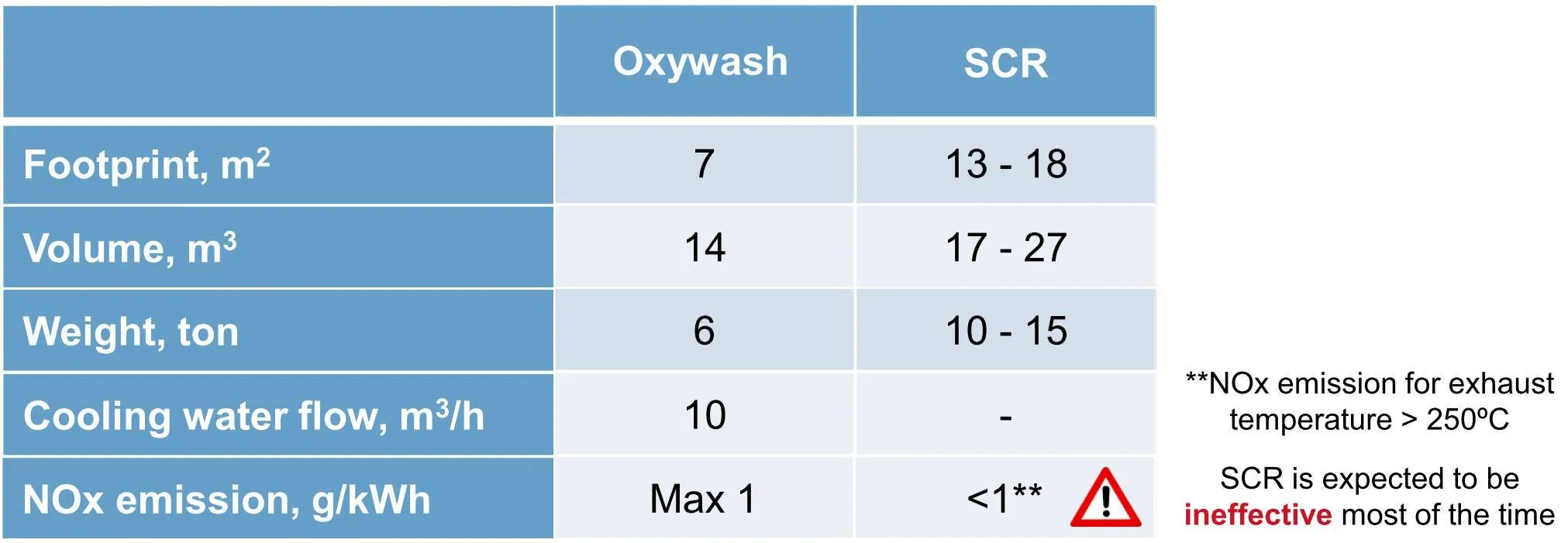
Now, based on an idea by Roderick de Vries, technical director at Feadship Koninklijke De Vries Scheepsbouw, a better solution has been devised. Feadship engineers partnered with the gas treatment department of the Netherlands Organisation for Applied Scientific Research (TNO), the largest research centre in the country, to devise the new Oxywash technology. Because they are smaller and divided into modules (see image 002), Oxywash systems are much easier to fit inside a yacht than standard SCR solutions. Moreover, Oxywash systems remove NOx irrespective of the engine temperature and work in any situation, making them more environmentally friendly than standard SCR solutions (see image 003).
The working principle
The working principle behind Oxywash is simple: NOx is first made water-soluble and then immersed in seawater. When the exhaust gas temperature is high, the reaction takes place via a catalyst. If the temperature is lower, ozone is instead injected into the gas to make it water-soluble. The ozone required is generated onboard from the air, removing the need to place bulky chemicals on board. And the water-soluble NOx is transferred directly into seawater without ever being emitted into the atmosphere.
When water-soluble NOx is immersed in seawater, it is transformed into nitrite and nitrate. These substances are naturally present in seawater and are a normal part of the nitrogen cycle. Nitrites and nitrates are also called fixed nitrogen forms and are essential for the growth and reproduction of marine plants and animals.
Oxywash represents a way of avoiding NOx emissions in the atmosphere by directly transferring fixed nitrogen to where it naturally belongs: the seawater.
The Oxywash technology has been tested, and the main features of the technology demonstrated in TNO’s laboratory in Delft. A large-scale prototype test programme is currently ongoing and will explore additional features of the technology, such as its capacity to remove particulate material. The actual systems will be ready for fitting on the first yachts soon.
More press releases