Heritage
The history of Feadship
Feadship is a unique partnership between two legacy Dutch shipyards and the country’s most renowned naval architect: Royal Van Lent Shipyard (est. 1849), Koninklijke De Vries Scheepsbouw (est. 1906) and De Voogt Naval Architects (est. 1913). Collectively, we have over 400 years of shipbuilding pedigree.
1849
1849
Foundations laid
Boatbuilding begins in Lisse, the Netherlands, within the family lineage that would later form the basis of Royal Van Lent, laying the foundations of a long shipyard tradition.
1877
Kaag yard established
A new shipyard site is established on Kaag Island, creating the physical base for future generations of yachtbuilding in wood and, later, steel.
1906
First De Vries shipyard founded
Christoffel Johannes Wilhelmus (Han) de Vries founds the first De Vries shipyard in the centre of Aalsmeer, initially focused on the construction of sturdy wooden workboats.
1910
First leisure yachts
The surrounding shallow inland lakes support early watersports activity, leading De Vries to build its first leisure yachts for private owners.
1913
Haarlemsche Jachtwerf
Born in 1892, Henri Willem de Voogt develops an early fascination with yachts and naval design, leading to the opening of the Haarlemsche Jachtwerf on the river Spaarne in Haarlem and the launch of the 6.50-metre racing yacht Golly wog.
1917
Van Lent takes shape
Jachtwerf De Kaag is established by Cees van Lent and his brother-in-law Hein Akerboom, marking the moment the Van Lent shipbuilding lineage takes clear and lasting form.
1923
Shipyard De Vlijt founded
Han de Vries’s sons, Henk and Johan de Vries, establish the De Vlijt shipyard, focusing on repair, winter storage and increasingly refined wooden yachts.
1927
A defining partnership
Collaboration with the De Vries family begins with the 13.60-metre sailing yacht Asmara, built in teak and mahogany.
1931
Expanding horizons
De Vries launches larger yachts for international clients, including the 11.80-metre Refuge, marking growing ambition and capability.
1933
Holland Cruisers
Van Lent launches successful series-built Holland Cruisers, combining steel construction with refined finishing.
1936
Royal commission
De Voogt designs the 54.30-metre Chahsevar for the Shah of Persia, a project that attracts international attention.
1937
Piet Hein
The 31.00-metre Piet Hein, designed by Henri W. de Voogt, is built as a royal wedding gift for Princess Juliana of the Netherlands and Prince Bernhard.
1939
Pre-war peak
The launch of the 30-metre Iduna completes a decade of rapid growth, with De Vries firmly established in steel yacht construction.
1949
Feadship formed
De Vries and Van Lent join four other Dutch shipyards to establish Feadship (First Export Association of Dutch SHIPbuilders) at café De Roode Leeuw in Amsterdam. Naval architect Henri W. de Voogt joins soon after, defining a unified design approach for the first generation of Feadships.
1949
1951
New York debut
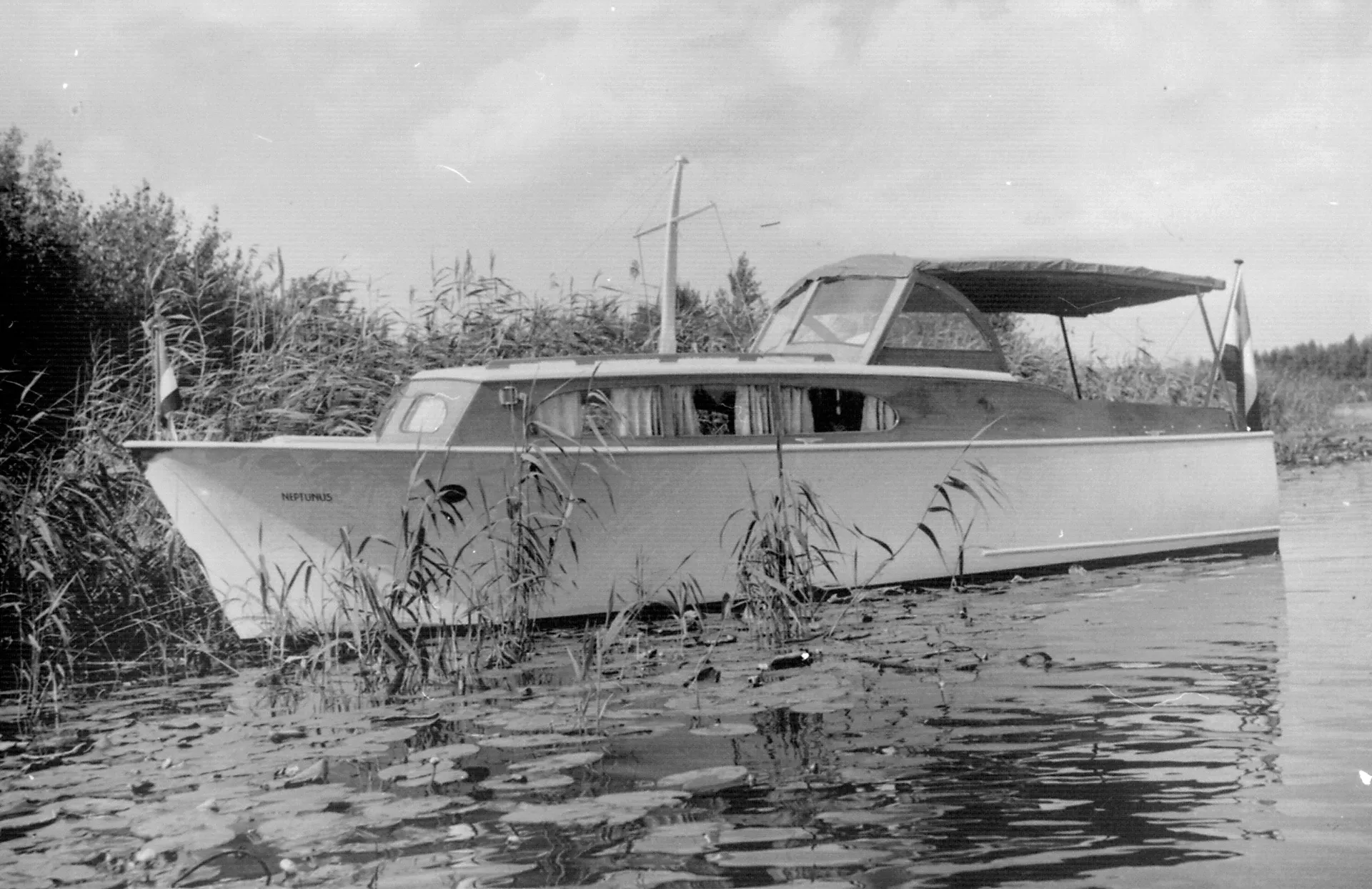
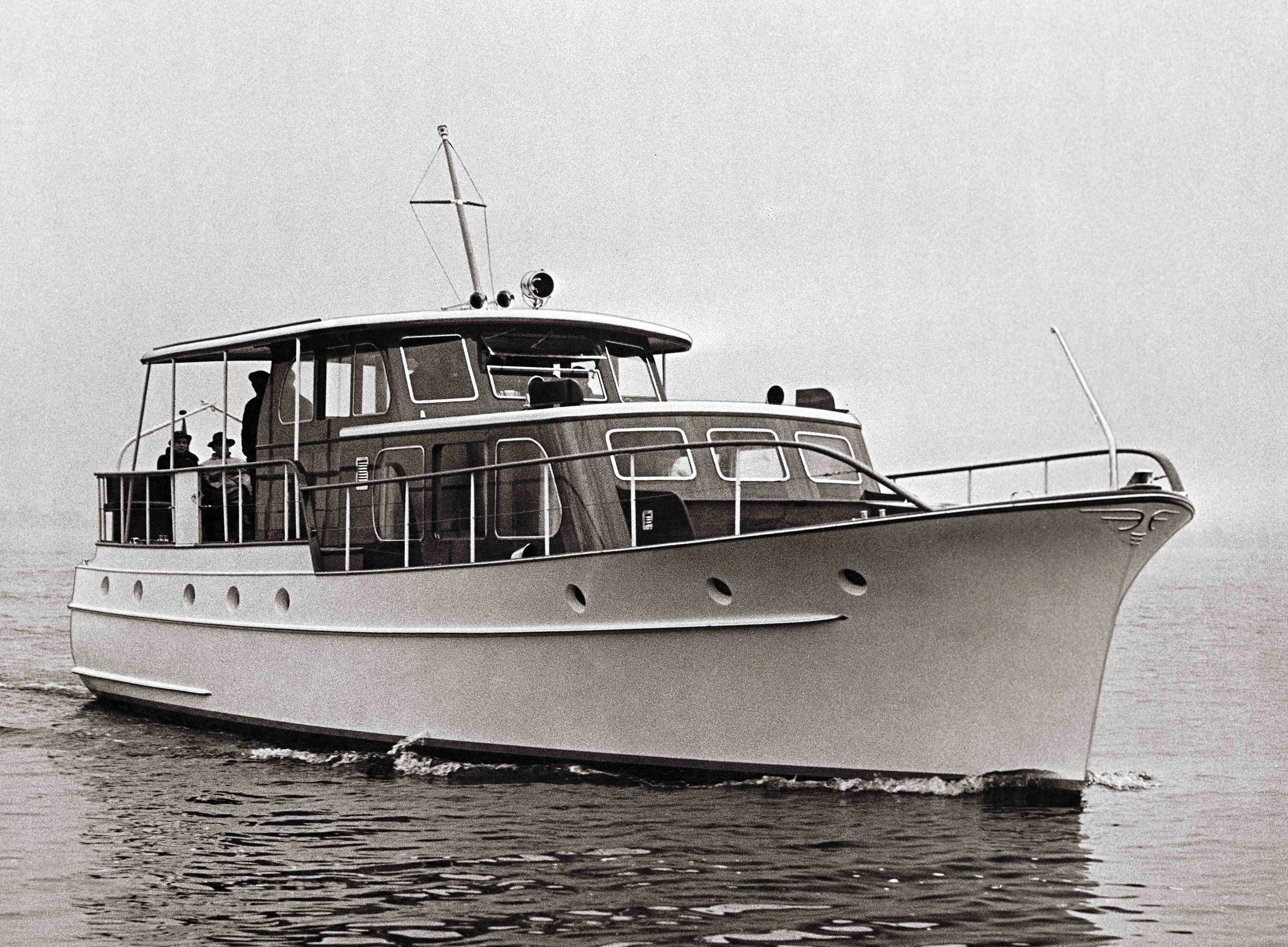
Feadship presents three yachts at the New York Motor Boat Show: the sailing yacht Freedom and the motor cruisers Neptunus and Capri. The Dutch exhibits stand out for steel construction and finish.
1951
1953
Queen of the show
The 16.76-metre Capri attracts international attention when her transport through Manhattan is halted beneath an elevated railway on the way to the Motor Boat Show. Crowned Queen of the Exposition, she is sold during the show. Feadship secures multiple American orders, confirming its growing position in the United States market.
1956
The Highlander order
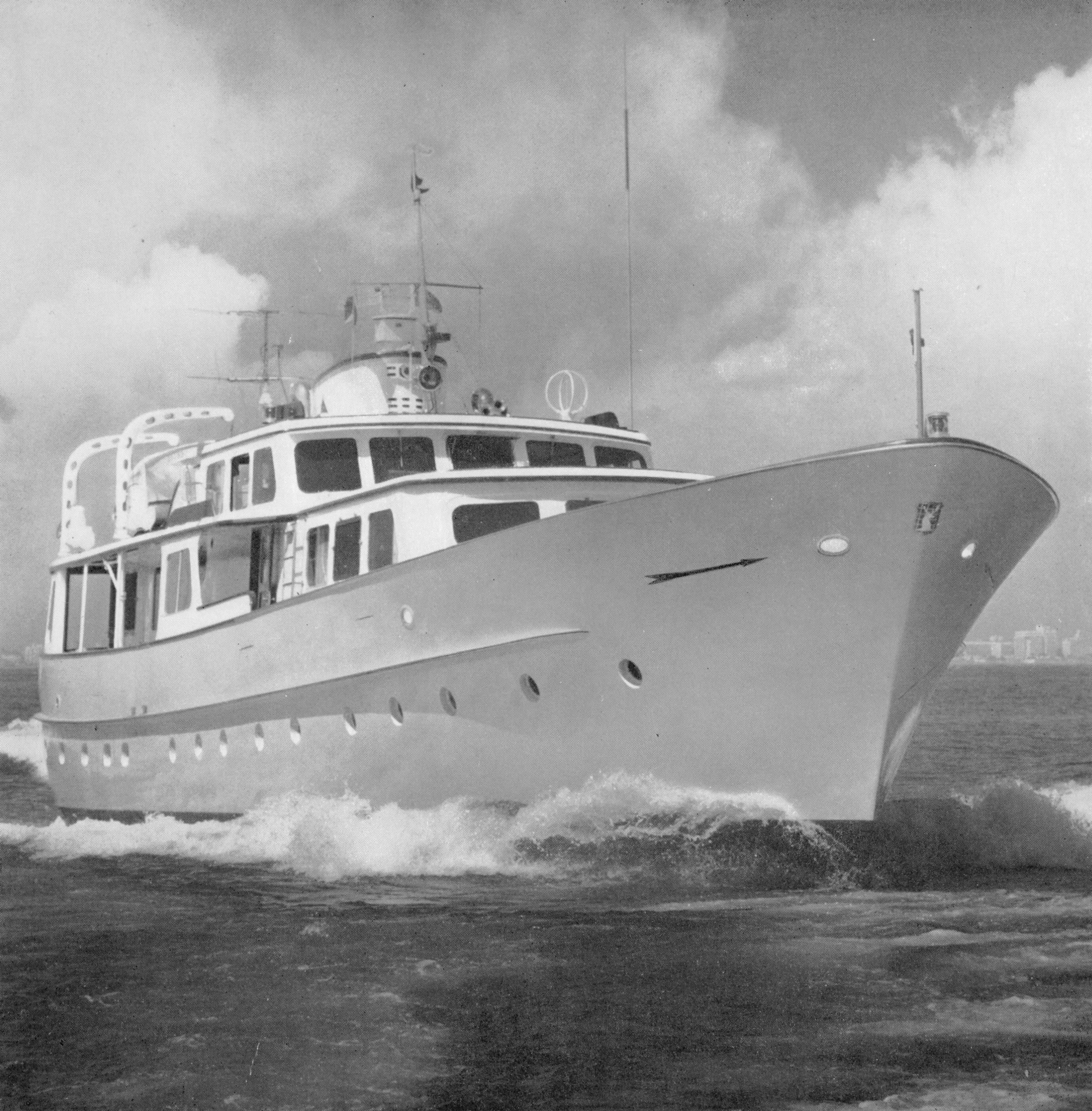
Malcolm Forbes commissions 29.80-metre The Highlander, marking the start of a long-standing relationship with Feadship built on repeat ownership and trust and confirms Feadship’s reputation in the United States as a preferred builder of large, full custom yachts beyond domestic yard capabilities.
1958
Design leadership
Frits de Voogt works alongside his father, gradually assuming design leadership from 1958, while Henri Willem de Voogt remains involved until his death in 1963.
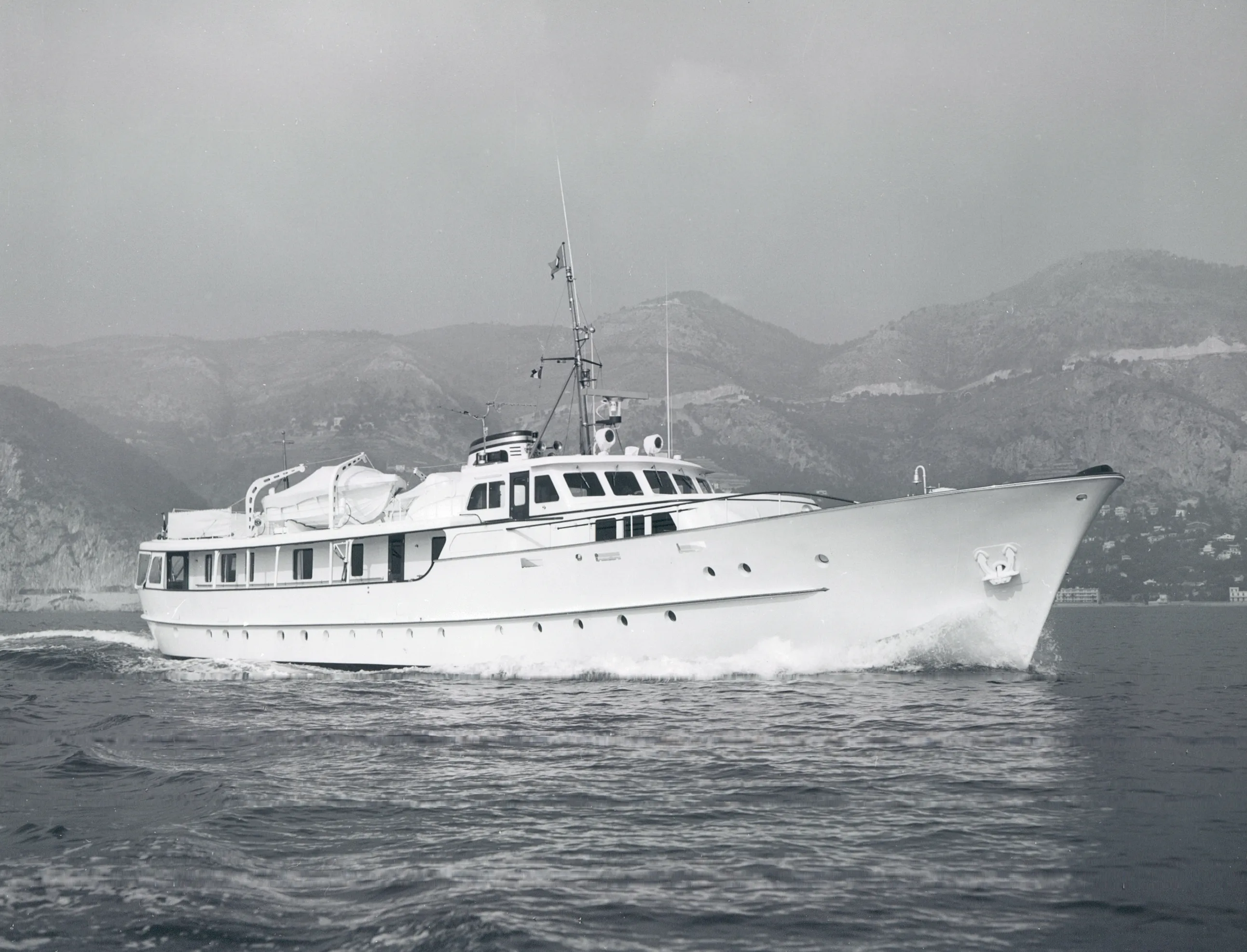
1960
Camargo IV
Designed by Frits de Voogt, the 35.25-metre Camargo IV becomes the largest Feadship of her time, featuring air conditioning and stabilising fins.
1962
1962
New construction hall
A major new build hall opens at Kaag Island, enabling longer and taller yachts and supporting Feadship’s growing output.
1967
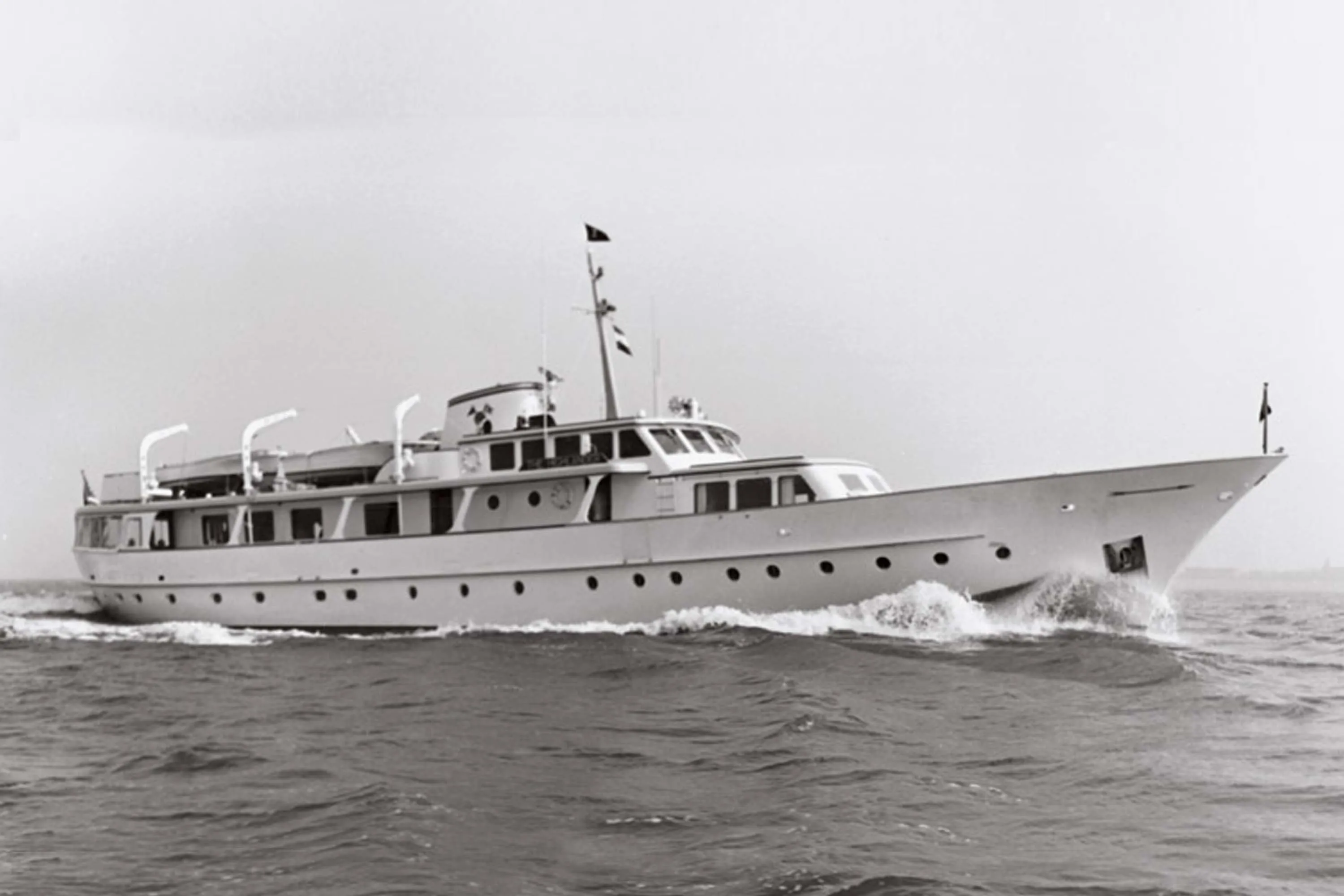
A new benchmark
Feadship delivers a new The Highlander, designed by De Voogt and launched in 1967. At 35.40 metres, she sets a new size record and signals growing ambition.
1975
Another expansion
Expansion of the facilities at Kaag Island enables the construction of increasingly large yachts, including projects exceeding 60 metres.
1984
Bridging role
Frits de Voogt plays a key intermediary role as Feadship’s members intensify global cooperation under a unified Feadship identity.
1986
Digital design introduced
De Voogt strengthens its design capabilities as computer-based technologies are introduced, marking a new era in yacht engineering and coordination.
1986
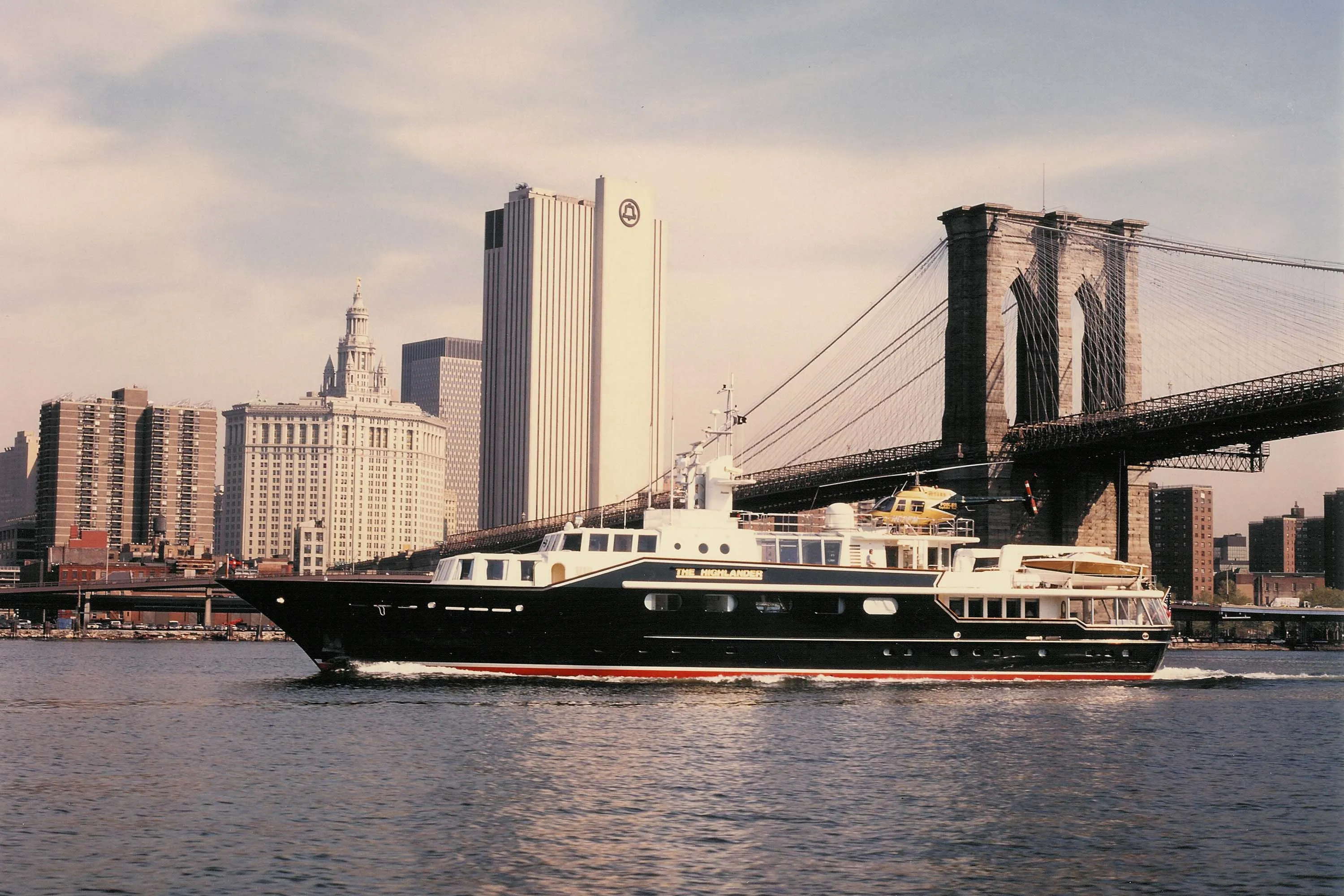
An icon emerges
Malcolm Forbes’s fifth The Highlander (46.00 m) becomes one of the most recognisable Feadships ever built, famed for her bold profile, helipad and Bannenberg interior.
1990
Enabling larger yachts
A climate-controlled covered dry dock opens at the Aalsmeer facility, anticipating larger and more complex yachts.
1993
Leadership transition
Frits de Voogt begins transferring the day-to-day leadership of De Voogt Design to Hugo van Wieringen, while remaining involved in an advisory role.
2001
2001
Royal designation
Van Lent receives the Royal designation, a rare honour granted by the Dutch monarch to companies of longstanding national significance, becoming Royal Van Lent Shipyard.
2006
2006
Royal designation
De Vries Scheepsbouw is granted the Koninklijke designation, formally becoming Koninklijke De Vries Scheepsbouw, reinforcing Feadship’s position as Royal Dutch Shipyards.
2015
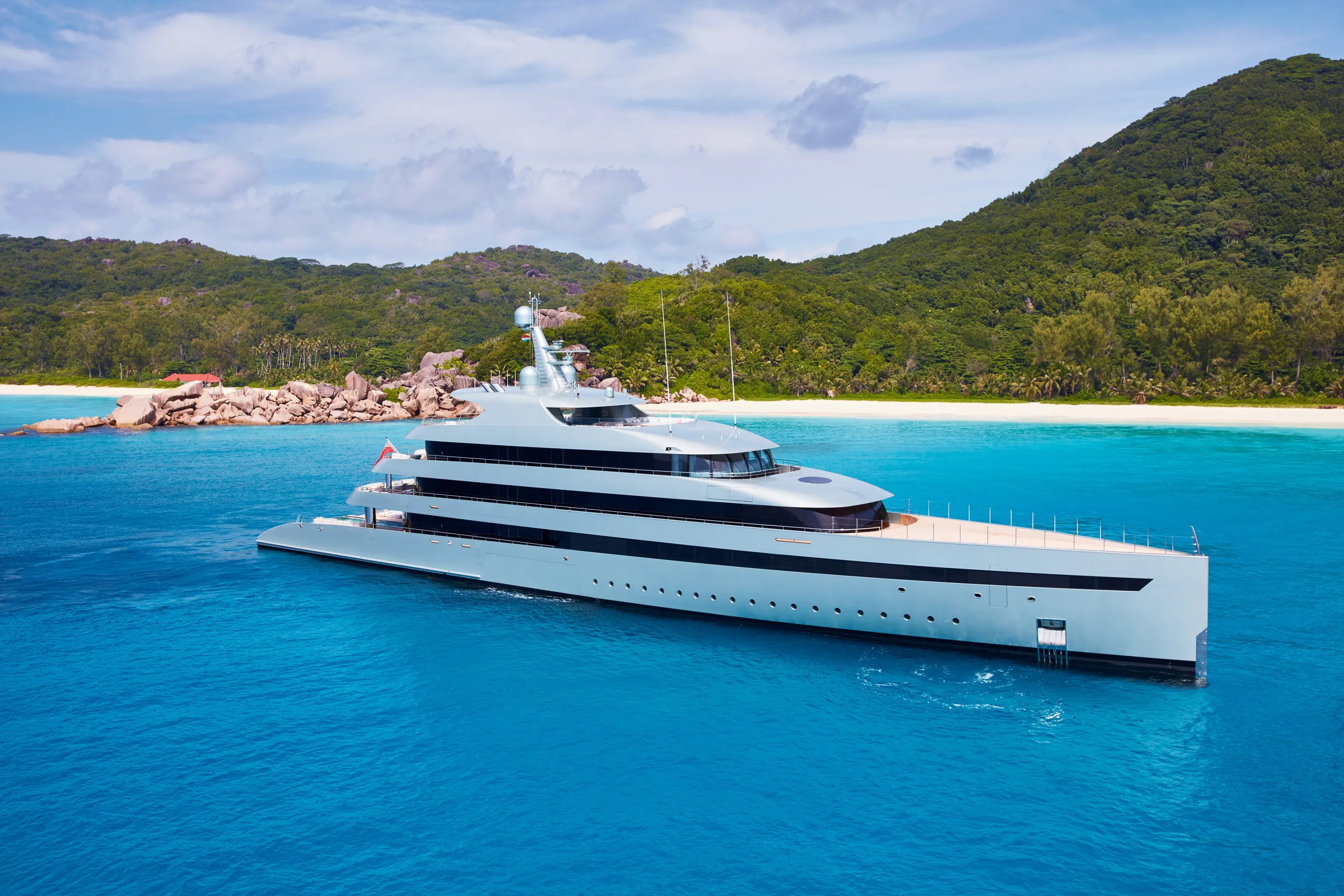
Hybrid-propulsion milestone
The launch of 83.50-metre Savannah, the world’s first hybrid motoryacht, signals a decisive shift towards sustainable yachtbuilding.
2015
100-metre threshold
With the launch of the 101.50-metre Symphony, Feadship delivers its first yacht exceeding 100 metres.
2019
Amsterdam yard
A new Feadship facility opens in Amsterdam, inaugurated by Queen Máxima, expanding capacity beyond Kaag.
2019
2019
Environmental index
De Voogt Naval Architects introduces YETI, the Yacht Environmental Transparency Index, a data driven method for assessing and comparing the environmental impact of yachts, later developed as a Joint Industry Project.
2025
Breakthrough
Among recent innovations, Breakthrough is recognised as the world’s first hydrogen fuel cell superyacht.