sustainability
Enhancing early-stage energy consumption predictions using dynamic operational voyage data
The adverse human contribution to global climate change has been recognised as a significant risk to future generations. Therefore, the yachting industry has acknowledged the need to reduce its environmental impact due to consumer’s increasing pressure and potential future regulations to limit the environmental effects.
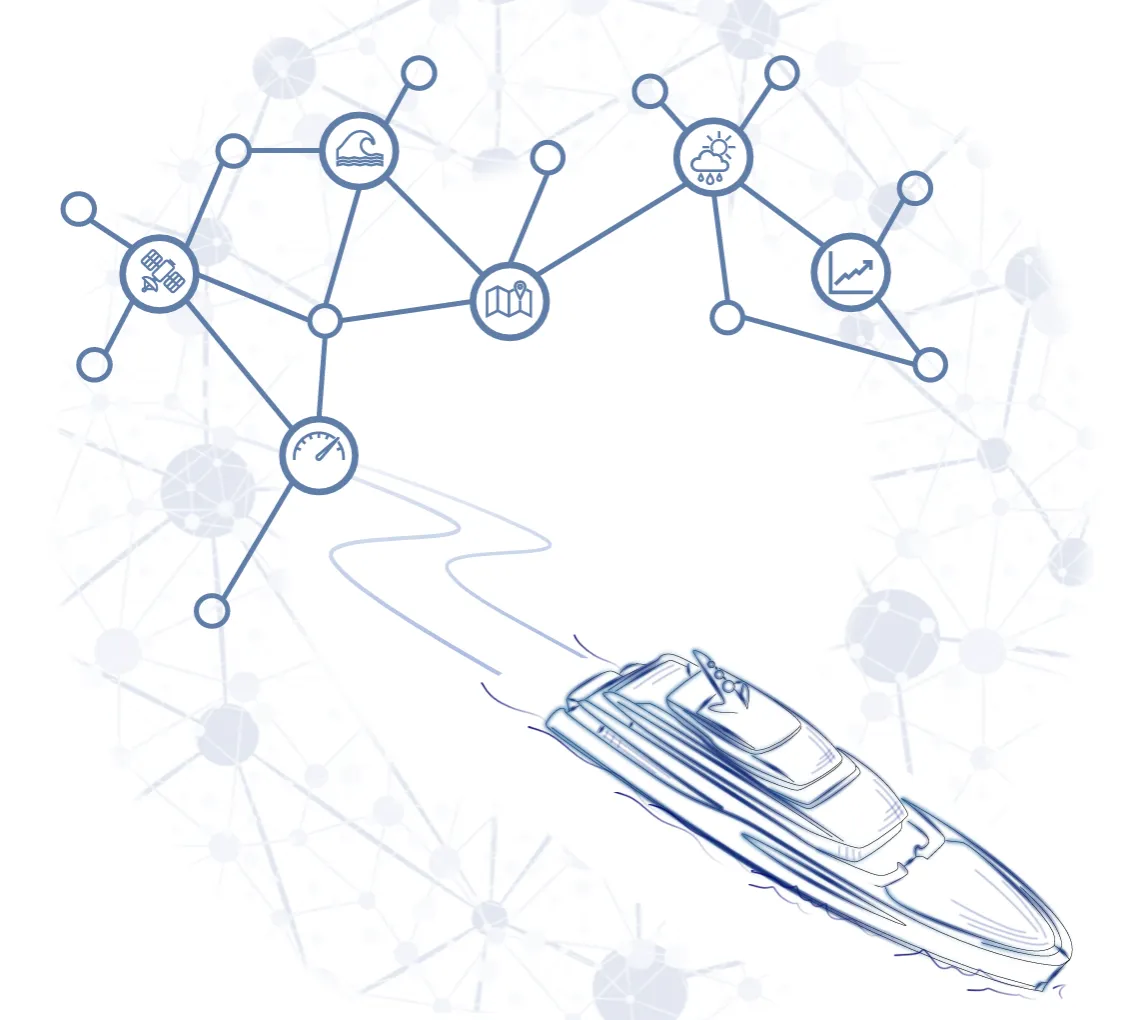
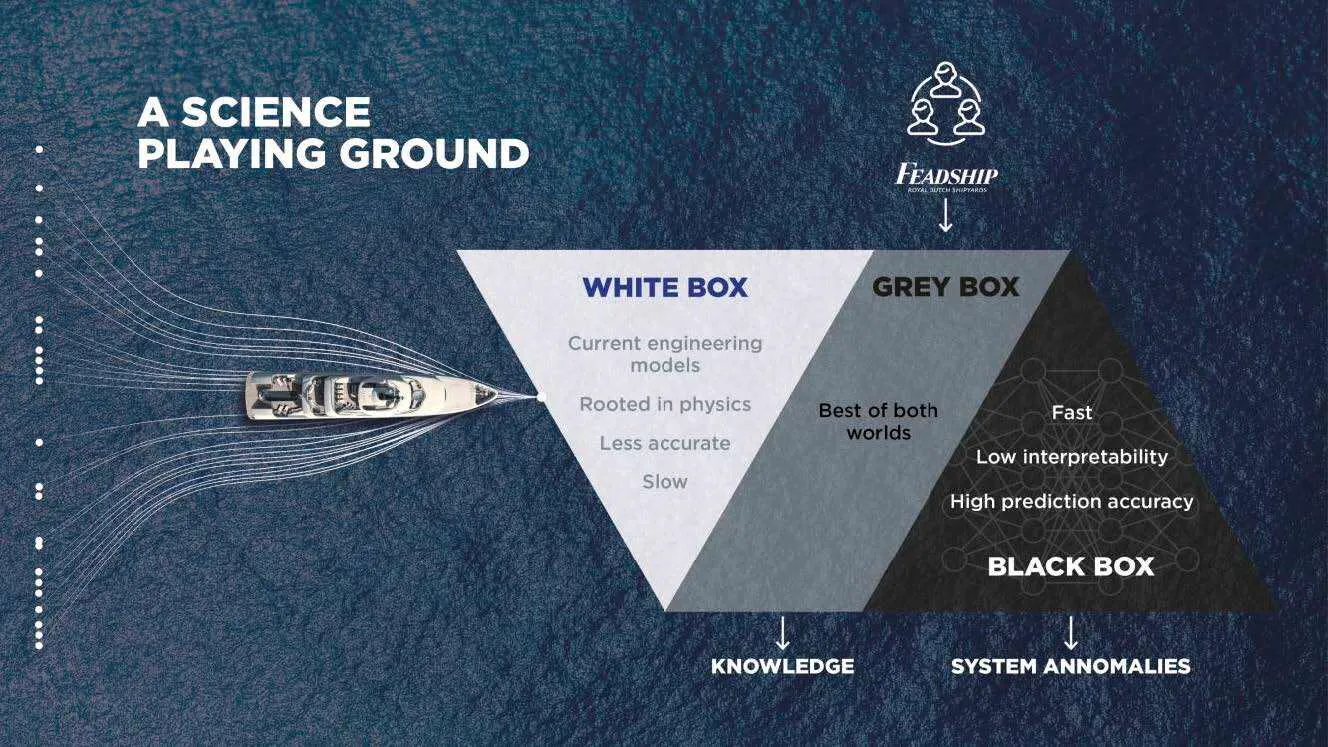
Unfortunately, current real world data presents a large disparity between predicted and actual gathered energy consumption results. Therefore, this research aims to develop an approach to accurately predict total dynamic Energy Consumption (EC) using real operation voyage data for the improved early stage design of new future yachts. Therefore, three modelling approaches within the maritime industry are investigated: Whitebox, Blackbox, and state of the art greybox modelling. Whitebox models are considered 100% deterministic, where the physics are easily interpretable. In contrast, Blackbox models are based on observed data and require no prior physical system information to function. Grey box modelling attempts to combine the advantages of both techniques while minimizing the disadvantages. Upon a thorough investigation of relevant literature sources and identifying a clear literature gap within the yachting industry, a precise assessment of the method requirements was conducted to determine the most suitable modelling solution to evaluate propulsion and auxiliary power consumption.
It was determined that the approach which will most likely satisfy all method requirements is an Artificial Neural Network GreyBox modelling (ANNGBM) approach using a serial configuration. Further technical descriptions of each white box model and black modelsarethenpresented. These overviews give technical details, limitations, and assumptions which must be adhered to during application.
Furthermore, the artificial neural network’s general working principles and technological foundations for optimal performance are detailed. Ultimately, a secondary literature review is conducted to provide a baseline solution for propulsion and auxiliary solutions, respectively. Here, it is concluded that the available data input features and data quantity closely align with successful literature studies; thus, providing initial confidence in the method potential. Using a novel preparation and uncertainty evaluation methodology, a 10month period dataset is applied and orientated to three operations: Sailing, Anchor and Combined situations.
A series of studies are then conducted to determine the GBMs interpolation, extrapolation, and exploitation performance potential by comparing each modelling category for each operational dataset. Within the data training ranges, the GBM consistently was a topperformer, managing to make propulsion and auxiliary power predictions within 3% and 9% of actual operational conditions. When making estimations beyond the training ranges, the GBM shows the capability of improving extrapolation capacity. However, improve ment limitations were found directly to be related to the strength between dynamic WBM input output correlations.
Finally, in a study utilising both the GBMs interpolation and extrapolation capabilities, internal relationships are isolated and extracted to estimated the fouling and daylight cycle effects on powering demand. It is ultimately found via a verification and validation (V&V) analysis that the GBM model solution performs better on average than similar literature models for auxiliary and propulsion power estimations, respectively. The improvements are likely related to the data quality (continuously monitored), input output feature relations, and data preparation/evaluation steps.
Unfortunately, a V&V analysis of the extrapolation capacity could not be conducted as no outright literature comparisons are available for usage. Nevertheless, GBM improvements over the pureBBM are qualitatively observed and similarly reinforced in alternative literature studies, thus indicating the immense potential of GBM solutions over the conventional BBM approaches.
Finally, while the study provided technical insight into How the GBM can be applied, a general understanding of When such solution approaches can be applied within design processes is not considered in most literature. Thus, a general consideration decision structure is detailed to provide naval architects with practical knowledge and confidence in future applications of the GBM modelling approach.
Latest